


How to Help Seniors Accept Home Care — Starting with the Right Environment
When introducing home care, many seniors show resistance.
They may fear losing independence, worry about privacy, or simply don’t want to admit they need help.
In fact, a comfortable, safe, and well-designed home environment can make them much more open to accepting care.
Understanding the Reasons Behind Resistance
For many elderly people, accepting help feels like losing control. They want to maintain dignity and independence in their familiar home.
When the home environment is not suitable—such as chairs that are too low, soft beds that are hard to get out of, or slippery bathrooms—it increases their anxiety and reluctance toward outside assistance.
How Furniture and Design Can Help
Elderly-friendly furniture is not just about convenience; it’s also emotional support.
It helps seniors feel respected, safe, and capable in their own space.
Examples include:
Adjustable nursing beds – improve both safety and independence.
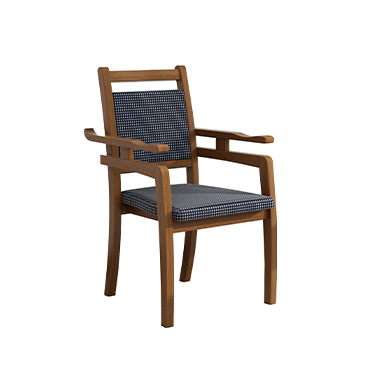
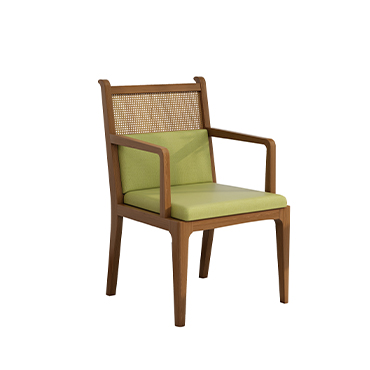
Dining chairs and sofas with armrests – make sitting and standing easier.
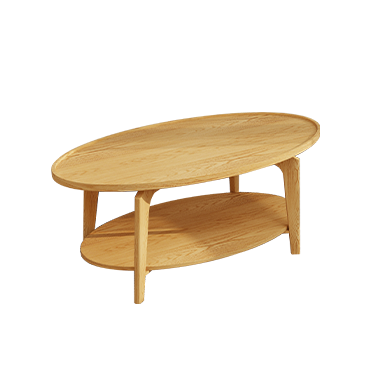
Rounded, non-slip furniture designs – reduce accident risks and increase confidence at home.
Creating a “Safe but Free” Living Space
Instead of seeing home care as “being looked after,” it can be viewed as a way to enjoy daily life with comfort and dignity.
By redesigning living spaces and choosing suitable furniture, families can make care a natural part of home life — not an intrusion.
Conclusion
Home care is more than a service; it’s a lifestyle choice that supports seniors’ comfort, safety, and happiness.
With the help of functional and stylish elderly care furniture, seniors can maintain their independence while living safely at home — this is exactly what Enjoys Furniture stands for.