


The Benefits of Socialization in Elderly Care
Creating Warm and Interactive Spaces with the Right Furniture
Loneliness and social isolation are silent challenges faced by many seniors. As mobility decreases and social networks shrink, older adults are more likely to experience depression, anxiety, and even physical health problems such as high blood pressure or heart disease.
However, research shows that creating social, engaging, and well-designed living spaces can significantly improve seniors’ well-being — both mentally and physically.
Mental Health and Emotional Balance
Social interaction helps reduce loneliness and anxiety, improves mood, and enhances cognitive function.
A welcoming environment — with comfortable seating, soft lighting, and communal areas — encourages seniors to talk, laugh, and connect with others. This sense of belonging promotes happiness and stability, reducing the risk of emotional decline.
Physical Health and Active Living
Socializing also supports physical health. Studies show that seniors with strong social connections have a lower risk of heart disease and stroke.
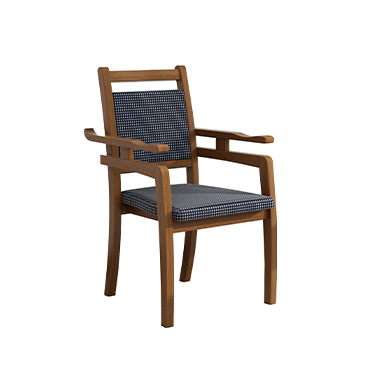
Encouraging light group activities such as stretching, walking, or shared meals becomes easier when spaces are equipped with elderly-friendly furniture — like armrest dining chairs, stable tables, and non-slip flooring that make movement safer and more confident.
Self-esteem and a Sense of Purpose
When seniors interact with others, they feel valued and respected. Group discussions, hobby clubs, or simple tea gatherings can restore a sense of purpose and connection.
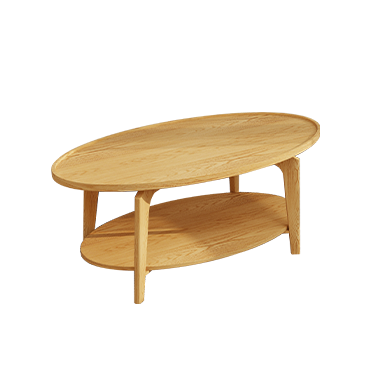
Elderly care furniture that supports small group settings — such as round tables, modular sofas, and adjustable chairs — helps foster inclusion and equality in social situations.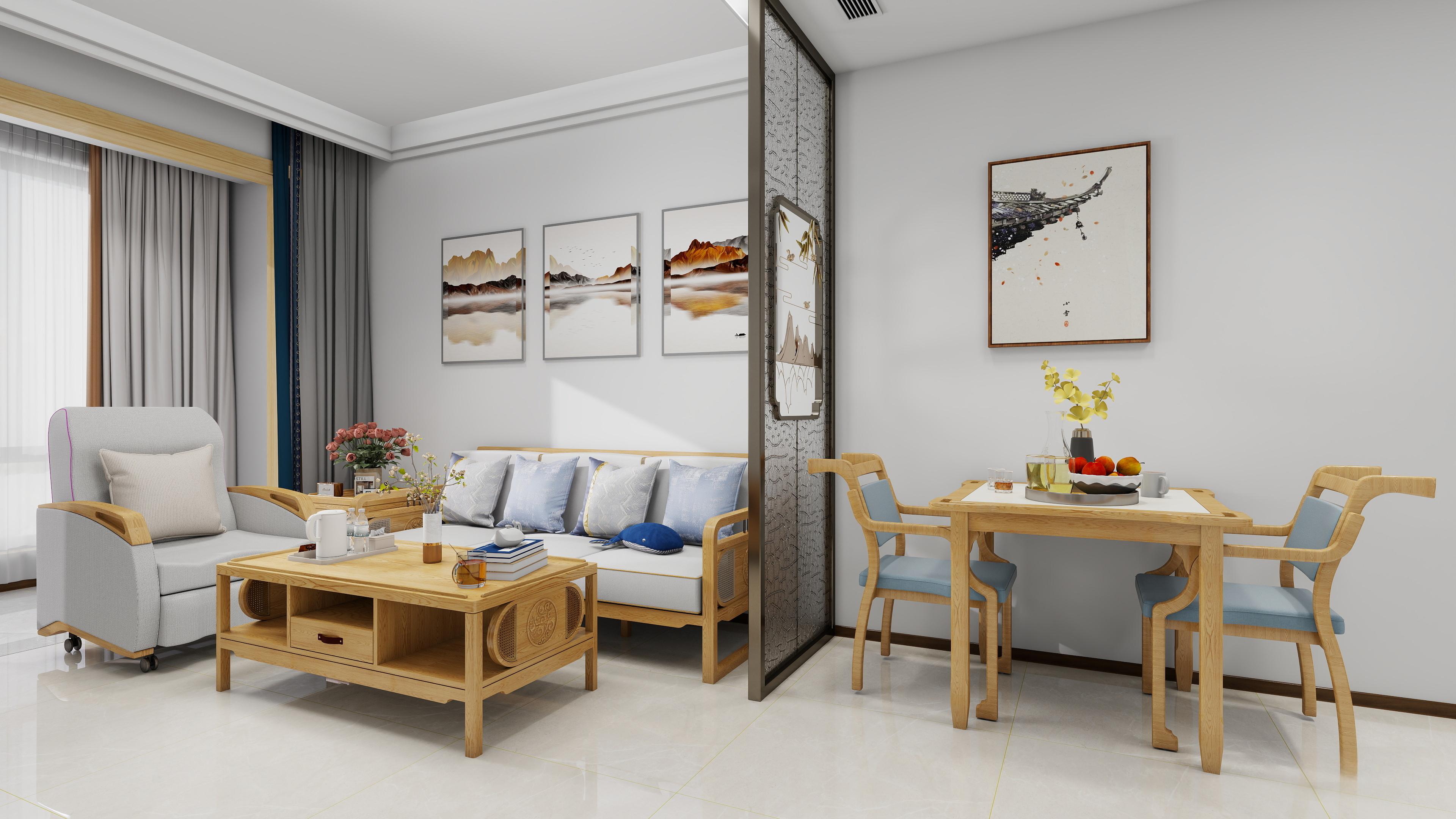
Reducing Disability and Dependence
Socialization keeps seniors motivated and active. With regular interaction, they are more likely to maintain physical strength and daily independence.
Environments designed with safe, accessible furniture allow them to move freely, engage with others, and participate in community activities with confidence.
How Design Encourages Social Connection
Aged care design plays a vital role in promoting communication and comfort. Thoughtful layout and furniture selection can transform any senior living area into a lively, inclusive community space.
Recommended design elements include:
Round dining tables – promote eye contact and equal conversation.
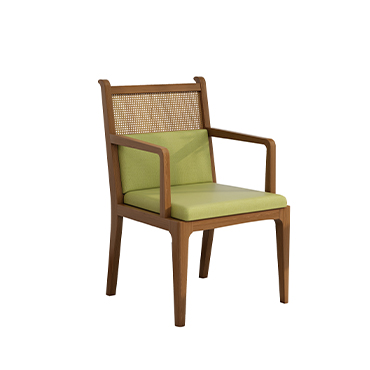
Soft yet supportive chairs – ensure comfort during long interactions.
Open lounge areas – encourage group gatherings and shared activities.
Warm lighting and natural tones – create a calming, friendly environment.
Conclusion
Socialization in elderly care isn’t just about conversation — it’s about dignity, happiness, and better health.
At Enjoys Furniture, we believe that the right senior living furniture can make every care home or community center a place of warmth, connection, and well-being.
Create a space where seniors don’t just live — they thrive together.