





Gender Differences in Nursing Careers in Germany: Salary, Opportunities, and Challenges
As Germany faces a rapidly aging population, nursing has become one of the fastest-growing and most essential professions in the German healthcare system. With strong demand and competitive benefits, the nursing profession attracts both local and international professionals.
However, like in many other countries, gender differences still exist in Germany’s nursing sector — especially in salary, work distribution, and social perception.
This article explores the main differences between male and female nurses in Germany and provides insights into the opportunities and challenges within this profession.
1.Overview of the Nursing Profession in Germany
Germany is one of the most aged societies in Europe, leading to a continuously rising demand for qualified nurses.
According to recent statistics, there are around 80,000 nursing vacancies in Germany today, and this number is expected to reach 150,000 by 2025.
Nurses are needed in hospitals, elderly care facilities, rehabilitation centers, and private clinics across the country.
In the German healthcare system, nurses play a crucial role not only in patient care but also in rehabilitation, mental health support, and medication management.
2.Importance of Nursing and Average Salaries
Nursing is highly valued in Germany, both for its contribution to public health and its essential role in elderly care.
Average Monthly Salary
Female nurses: approximately €2,990
Male nurses: approximately €2,820
Interestingly, female nurses earn about 5% more than male nurses in Germany — a reverse of the common global trend.
This is largely due to the historical perception of nursing as a female-dominated profession, though both genders share the same responsibilities and career pathways.
3.Working Conditions and Requirements
The average starting salary for nurses in Germany ranges from €2,800 to €2,900 per month, depending on experience, education, and workplace type.
Key working conditions include:
Working hours: 38–40 hours per week (shift-based)
Language requirement: German proficiency at B2 level
Benefits: paid holidays, health insurance, and professional training opportunities
4.Opportunities and Challenges in Nursing Careers
Opportunities
Strong job demand: hospitals and care facilities are actively recruiting, especially international nurses.
Diverse career options: nurses can work in hospitals, rehabilitation centers, private clinics, and elderly care homes.
Stable employment: nursing offers long-term job security and clear career growth.
Government support: Germany has simplified visa and qualification recognition for foreign nurses.
Challenges
Language barrier: effective communication in German is essential.
Cultural adjustment: adapting to workplace culture and patient expectations can take time.
Emotional stress: long shifts and high responsibility can lead to burnout.
Aging population: increasing workload due to more elderly patients.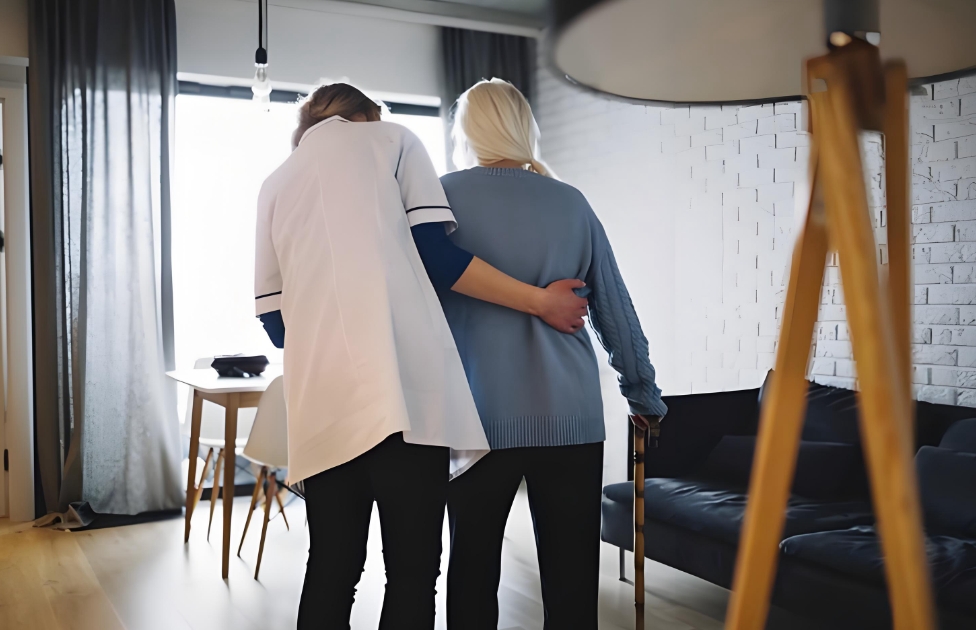
5.Gender Differences in the Nursing Field
Although more men are joining the profession, nursing in Germany remains predominantly female.
These gender differences are influenced by social norms and traditional perceptions of caregiving roles.
Challenges and Opportunities for Female Nurses
Challenges:
Difficulty balancing work and family responsibilities
High emotional and psychological pressure
Physically demanding tasks, such as patient lifting and long hours
Opportunities:
High social respect and professional recognition
Flexible working schedules for better work-life balance
Wide access to training and promotion opportunities
Challenges and Opportunities for Male Nurses
Challenges:
Limited social recognition in a traditionally female profession
Restricted access to certain departments (e.g., maternity wards)
Smaller representation in the workforce
Opportunities:
Strong demand in departments like orthopedics, emergency, and psychiatry
Better comfort for male patients in certain care settings
Stable, long-term employment prospects
6.Conclusion: Toward Equality in Nursing
Although gender differences still exist in the nursing field, both men and women can achieve meaningful and successful careers in Germany’s healthcare system.
With growing awareness and government support, the nursing profession in Germany is moving toward greater equality and inclusiveness.